
Future Trends in Software Development


1. The Era of Agentic Workforces
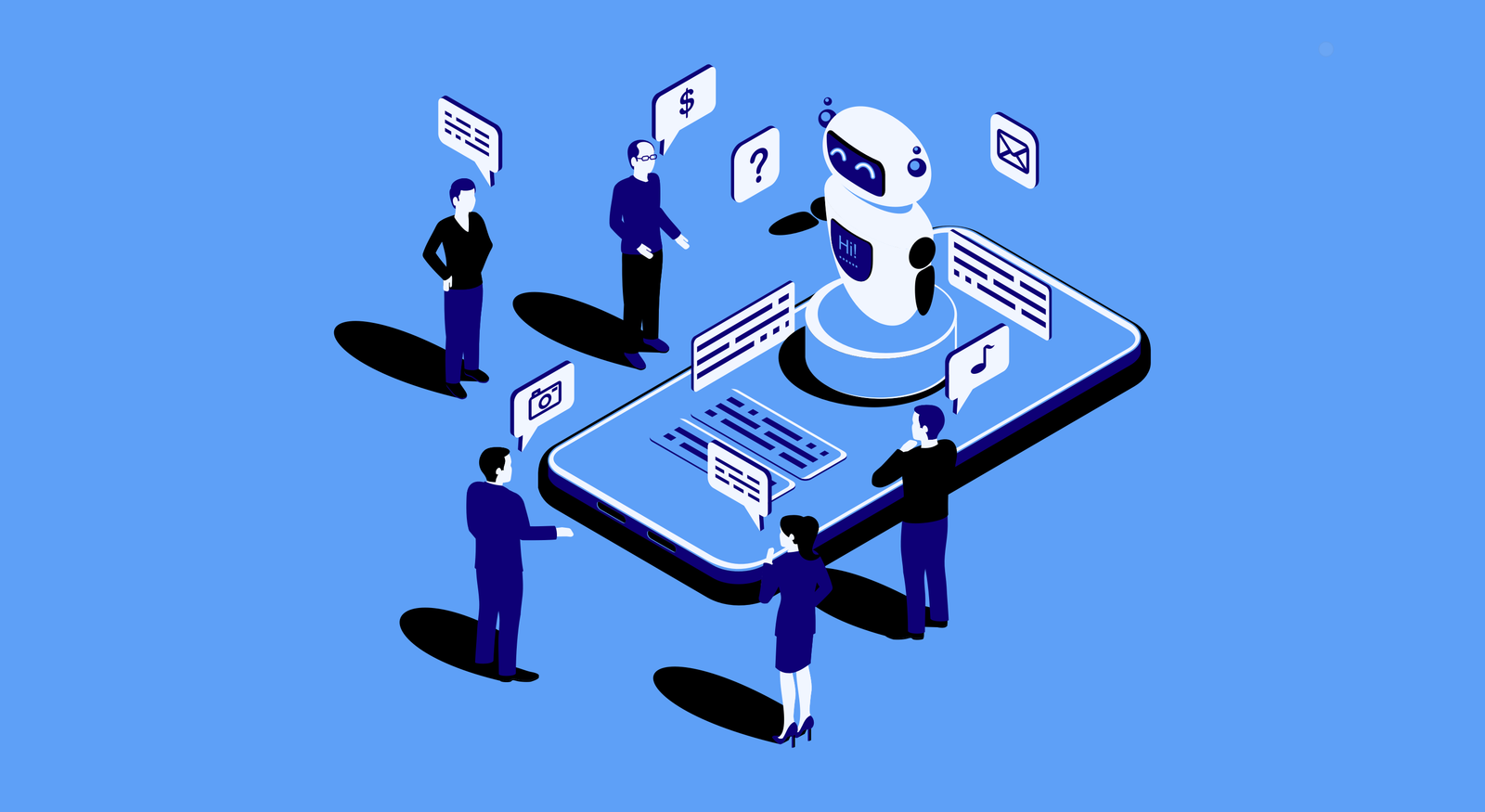
The biggest trend in 2026 is the transition from "Chatbots" to "Autonomous Agents."
The Shift: In the past, you used AI to help you write. Now, companies use Agentic AI to execute multi-step workflows—like managing a recruitment drive from screening to scheduling—with minimal human oversight.
The Goal: Move from "automating tasks" to "redesigning processes." Instead of just speeding up a broken workflow, top firms are using 2026 to build "AI-Native" operations where humans act as the high-level orchestrators and strategic validators.
2. ROI Proof Over AI Promise
The "hype cycle" has ended.
The Shift: Businesses have stopped launching "exploratory pilots." This year is about Decision Intelligence—using data to prove exactly how a digital tool improved customer retention, reduced cost-per-transaction, or accelerated a product launch timeline.
The Goal: Establish clear KPIs before funding any new tech.
Focus on "High-Signal" data that directly correlates to your bottom line.
3. Sustainable and "Green" Growth
Sustainability has moved from a marketing buzzword to a core Operating System.
The Shift: With global regulations in 2026 tightening around carbon and water usage, the most successful startups are those built on Green Computing. This includes using energy-efficient AI models and choosing cloud providers that offer "carbon-aware" scheduling for heavy data processing.
The Goal: Treat sustainability as a competitive advantage.
Customers in 2026 are actively migrating to brands that can prove a transparent, low-impact supply chain.
4. Trust and Sovereign Security
As AI handles more sensitive data, Digital Sovereignty and Preventive Cybersecurity are the primary moats for any business.
The Shift: We are moving away from "reactive" security to AI-driven Defense.
This involves systems that identify vulnerabilities and attack patterns before they impact the business. The Goal: Implement "Security by Design."
With the rise of agentic commerce, you must have a unified identity layer that verifies the intent and behavior of both your human employees and your AI agents in real-time.
5. Hyper-Personalization through "Digital Twins"
Generic marketing is officially dead. In 2026, businesses are winning through the Digital Twin of the Customer (DToC).
The Shift: Organizations now unify data from every touchpoint—IoT, social, and direct interactions—to create a living model of their audience. This allows for personalization that feels like a "happy coincidence" rather than an intrusive ad.
The Goal: Use AI to understand customer sentiment, not just clicks.
When a customer feels understood at a deep, contextual level, your brand loyalty becomes nearly impossible for a competitor to break.
Your 2026 Growth Checklist
Orchestration: Are you managing "Human-Agent Teams" or just individual employees?
Sovereignty: Does your data strategy comply with the latest 2026 residency and privacy laws?
Efficiency: Can you prove the financial ROI of your AI pilots from last year?
Agility: Are your core systems modular enough to adapt if a major AI model provider changes their terms tomorrow?
The 2026 Perspective: Growth this year is about Structural Intelligence. The winners are those who use technology to amplify human judgment, not to replace it.