
AI vs Traditional Programming: What’s Changing?


The Shift: From Writing Code to Directing It
The software development world is currently in the middle of a massive identity shift. For decades, traditional programming was the "gold standard"—a world of manual precision where developers meticulously hand-crafted every line of logic and controlled every system tick. It’s reliable, sure, but it’s also incredibly labor-intensive.
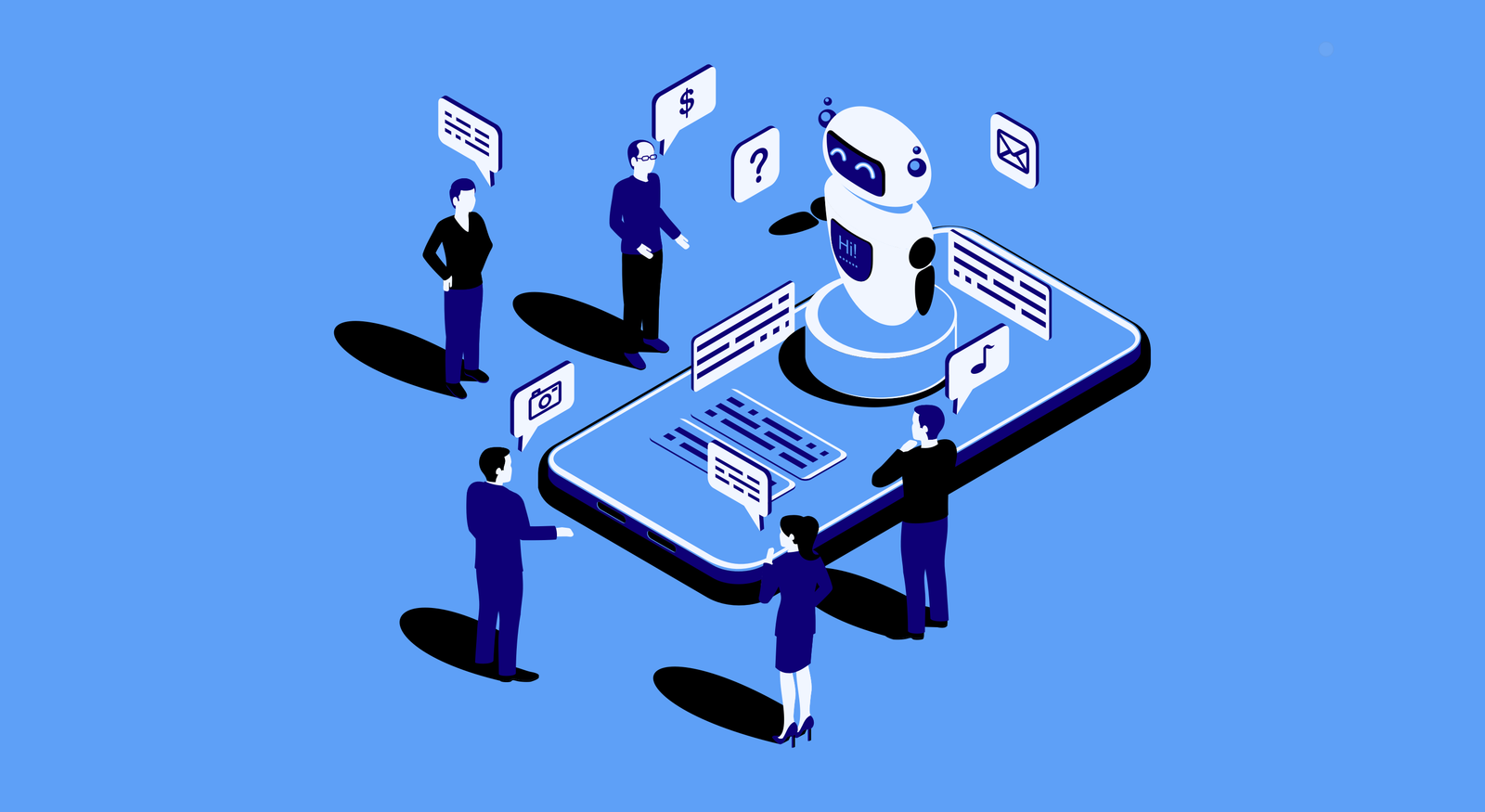
Enter AI-powered programming. We’re moving away from the era of "manual labor" coding and into a more automated, intelligent workflow. Instead of getting bogged down in the minutiae of every single snippet, developers are using AI to handle the heavy lifting: generating boilerplate code, sniffing out bugs, and optimizing performance on the fly. It’s effectively cutting out the "busy work" that used to eat up half our day.
A New Kind of Developer
The most interesting change isn't the tools—it's the role. We’re seeing a shift in focus:
The Past: Obsessing over syntax and rigid structures.
The Future: Prioritizing high-level problem solving, creative architecture, and system design.
AI might be great at identifying a syntax error or suggesting a function, but it still lacks the human intuition needed for complex architecture, nuanced security, and the "why" behind a product. AI isn't replacing the developer; it’s finally giving the developer a promotion to "Director of Engineering" for their own projects.
The Verdict
Traditional programming gave us the foundation and the control we needed to build the digital world. AI is giving us the speed to actually finish it. The most successful developers won’t be the ones who resist these tools, but the ones who learn to pair their human expertise with AI’s raw efficiency.