
What are the Common App Security Issues How to Tackle Them


In today's digital first world, mobile and web applications have become an essential part of our daily lives. From banking and healthcare to shopping and social networking, apps handle massive amounts of sensitive user data. As applications become more sophisticated, they also become attractive targets for cybercriminals seeking to exploit vulnerabilities.
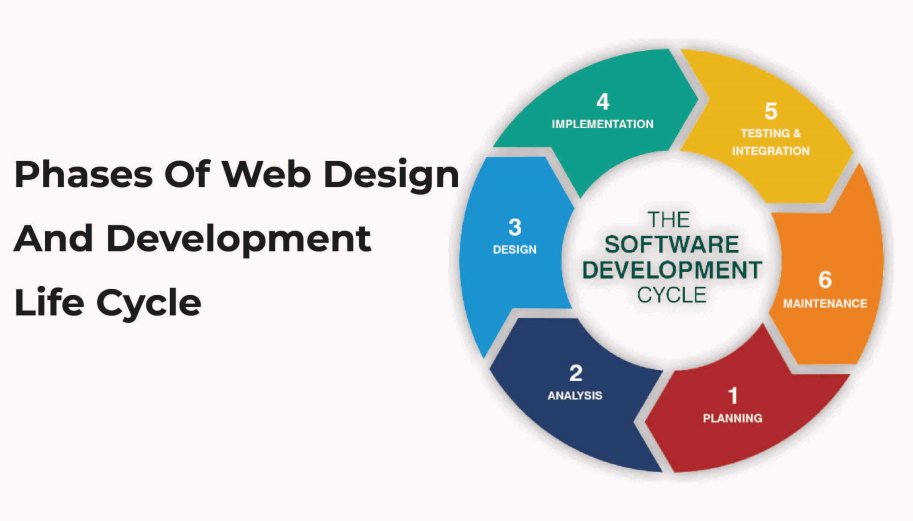
A single security flaw can result in data breaches, financial losses, reputational damage, and legal consequences. That's why application security should be a priority throughout the software development lifecycle—not just after deployment.
In this blog, we'll explore the most common app security issues and practical strategies to protect your application from evolving cyber threats.
Why App Security Matters
Application security refers to the measures, tools, and best practices used to protect software from unauthorized access, attacks, and data breaches. Strong security safeguards not only protect sensitive information but also enhance customer trust, ensure regulatory compliance, and minimize business risks.
Ignoring security can lead to:
- Data theft and privacy violations
- Financial fraud
- Service disruptions
- Loss of customer confidence
- Regulatory penalties
Building security into every stage of development helps organizations stay ahead of potential threats.
Common App Security Issues
1. Weak Authentication and Authorization
Poor authentication mechanisms allow attackers to gain unauthorized access to user accounts. Weak passwords, missing multi-factor authentication (MFA), and improper session management are common weaknesses.
How to tackle it:
- Implement strong password policies.
- Enable multi-factor authentication.
- Use secure session tokens.
- Apply role-based access control (RBAC).
- Automatically expire inactive sessions.
2. Insecure Data Storage
Sensitive information stored without proper protection can easily be exposed if a device or server is compromised.
How to tackle it:
- Encrypt sensitive data both at rest and in transit.
- Avoid storing passwords in plain text.
- Use secure key management systems.
- Store only essential user information.
- Regularly review stored data.
3. Insecure API Communication
Modern applications rely heavily on APIs. Poorly secured APIs can expose confidential information and provide attackers with entry points into your systems.
How to tackle it:
- Secure APIs using HTTPS/TLS.
- Implement authentication tokens such as OAuth or JWT.
- Validate all API requests.
- Apply rate limiting.
- Monitor API traffic for suspicious activity.
4. Injection Attacks
SQL injection, command injection, and code injection occur when attackers insert malicious input into application queries or commands.
How to tackle it:
- Use parameterized queries.
- Validate and sanitize all user input.
- Avoid dynamically generated SQL.
- Use ORM frameworks where appropriate.
- Perform regular security testing.
5. Cross-Site Scripting (XSS)
XSS attacks allow malicious scripts to execute in users' browsers, potentially stealing cookies or session information.
How to tackle it:
- Escape user-generated content.
- Validate inputs.
- Implement Content Security Policy (CSP).
- Use secure frontend frameworks.
- Sanitize HTML content.
6. Broken Access Control
Users may gain access to resources or administrative functions they should not be able to access.
How to tackle it:
- Verify permissions on every request.
- Follow the principle of least privilege.
- Restrict direct object references.
- Conduct authorization testing regularly.
7. Poor Session Management
Improper session handling allows attackers to hijack active user sessions.
How to tackle it:
- Generate secure session IDs.
- Rotate session tokens after login.
- Set session expiration times.
- Use secure and Http Only cookies.
- Invalidate sessions after logout.
8. Sensitive Data Exposure
Applications often unintentionally expose confidential information through logs, error messages, or unsecured communications.
How to tackle it:
- Mask sensitive information.
- Disable detailed error messages in production.
- Encrypt communication channels.
- Monitor application logs securely.
9. Outdated Components and Libraries
Using outdated frameworks and third-party libraries introduces known security vulnerabilities.
How to tackle it:
- Regularly update dependencies.
- Monitor vulnerability databases.
- Remove unused packages.
- Automate dependency scanning.
10. Insufficient Security Testing
Many vulnerabilities remain undetected simply because applications are not tested thoroughly.
How to tackle it:
- Conduct penetration testing.
- Perform vulnerability assessments.
- Automate security scanning.
- Integrate security testing into CI/CD pipelines.
- Perform regular code reviews.
Best Practices for Application Security
Organizations should adopt a proactive approach to security by incorporating best practices throughout the development lifecycle.
Some essential practices include:
- Follow Secure Software Development Lifecycle (SSDLC) principles.
- Encrypt sensitive data using strong encryption standards.
- Implement multi-factor authentication.
- Conduct regular security audits.
- Monitor applications continuously.
- Keep software and dependencies updated.
- Train development teams on secure coding practices.
- Perform regular penetration testing.
- Use Web Application Firewalls (WAFs).
- Maintain secure backups and disaster recovery plans.
Emerging Security Challenges
As technology evolves, application security must adapt to new threats, including:
- AI-powered cyberattacks
- Supply chain attacks
- Cloud security risks
- API abuse
- IoT application vulnerabilities
- Zero-day exploits
- Ransomware targeting applications
Organizations that invest in continuous monitoring and proactive security measures are better positioned to defend against these evolving risks.
Final Thoughts
Application security is no longer optional it's a fundamental requirement for building reliable and trustworthy software. Cyber threats continue to evolve, making it essential for organizations to identify vulnerabilities early and implement strong security controls throughout the development process.