
The Future of Project Management: Modernization Trends for 2026 and Beyond

Project management is undergoing a major transformation. As businesses face faster market changes, distributed teams, tighter budgets, and increasingly complex projects, traditional approaches are no longer enough.
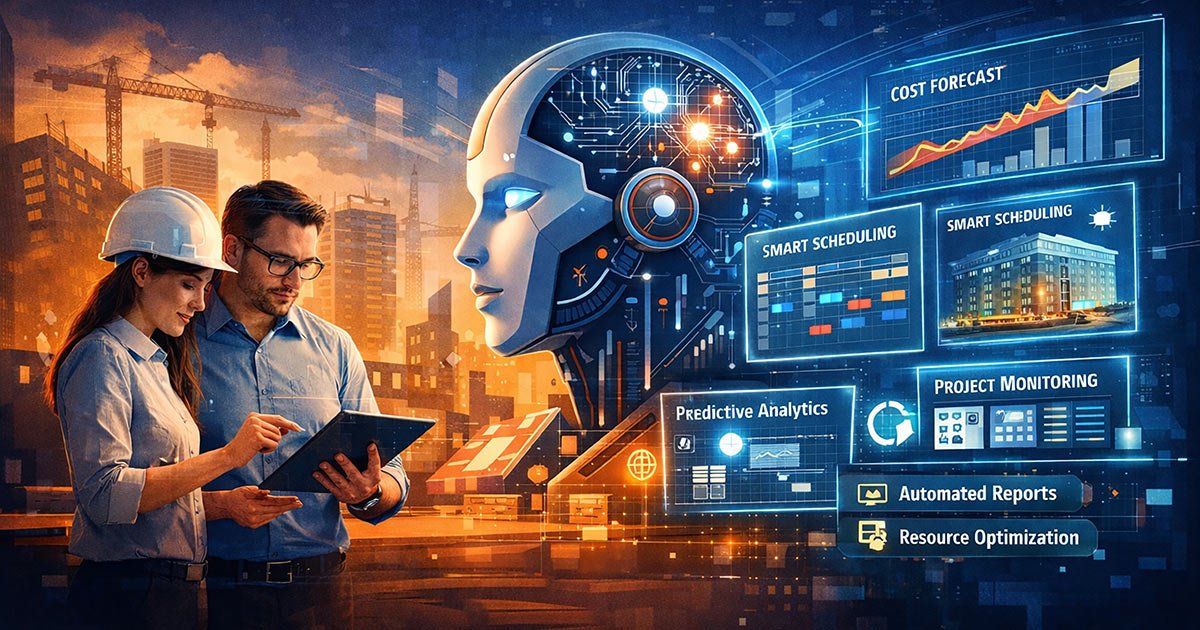
In 2026 and beyond, project management is moving toward a more connected, intelligent, and adaptive model. Artificial intelligence, automation, real-time analytics, hybrid work, and modern collaboration platforms are changing how projects are planned, executed, monitored, and delivered.
For organizations, modernization is no longer simply about adopting new software. It is about creating a smarter project management ecosystem that enables teams to make better decisions, respond faster, and deliver greater value.
What Is Project Management Modernization?
Project management modernization is the process of updating traditional project management practices, technologies, and workflows to meet the demands of today's digital business environment.
It can involve:
- Adopting AI-powered project management tools
- Automating repetitive administrative tasks
- Using real-time project analytics
- Improving collaboration across distributed teams
- Integrating project management with business systems
- Moving from rigid processes toward adaptive methodologies
- Strengthening data security and governance
The objective is not to eliminate traditional project management principles. Instead, modernization combines proven practices with new technologies and more flexible ways of working.
1. Artificial Intelligence Becomes a Project Management Partner
Artificial intelligence is expected to become one of the most influential technologies in project management.
AI-powered systems can analyze large volumes of project data, identify patterns, generate reports, summarize meetings, assist with planning, and highlight potential risks.
Instead of spending hours manually collecting and organizing information, project managers can increasingly rely on intelligent tools to provide actionable insights.
For example, an AI-enabled project platform could identify that a critical task is falling behind schedule and flag its potential impact on subsequent activities.
This allows project managers to focus less on administrative work and more on decision-making, leadership, stakeholder communication, and problem-solving.
The key shift
AI is not simply automating project management. It is helping project managers move from reactive management to proactive management.
2. Predictive Project Management
Traditional project management often focuses on understanding what has already happened.
Modern project management increasingly focuses on predicting what could happen next.
Predictive analytics can examine historical project data, current performance, resource availability, deadlines, and other variables to identify potential problems before they become serious.
Organizations can use predictive insights to answer questions such as:
- Which projects are most likely to experience delays?
- Where are resources becoming constrained?
- Which tasks represent the greatest risks?
- Is the current budget likely to be exceeded?
- Which dependencies could affect the final delivery date?
This shift toward predictive project management can help organizations intervene earlier and reduce costly surprises.
3. Automation Reduces Administrative Work
Project managers often spend significant time on repetitive activities such as updating status reports, assigning tasks, scheduling meetings, sending reminders, and collecting project information.
Automation can handle many of these processes.
For example, a modern project management system can automatically:
- Update task statuses
- Send deadline reminders
- Generate reports
- Notify stakeholders about changes
- Create recurring tasks
- Route approvals
- Trigger workflows
- Consolidate project information
Automation allows project teams to spend more time on activities that require human judgment and creativity.
The future of project management will therefore involve fewer manual processes and more intelligent workflows.
4. Real-Time Data Becomes Essential
In traditional environments, project information may be scattered across spreadsheets, emails, documents, and different communication platforms.
This creates information gaps and makes it difficult for decision-makers to understand the actual state of a project.
Modern project management emphasizes a centralized and continuously updated source of information.
Real-time dashboards can provide visibility into:
- Project progress
- Budget utilization
- Resource capacity
- Milestones
- Risks
- Dependencies
- Team performance
- Delivery forecasts
With better visibility, project managers and executives can make decisions based on current information rather than outdated reports.
5. Hybrid Project Management Takes Center Stage
The debate between Agile and traditional project management is becoming less relevant.
Many organizations now recognize that different projects require different approaches.
A software development project may benefit from Agile practices, while a construction or regulatory project may require a more structured approach.
Hybrid project management combines elements of different methodologies to create an approach that fits the project's specific requirements.
In 2026 and beyond, organizations are likely to place greater emphasis on outcomes and adaptability rather than strict adherence to a single methodology.
The most effective project managers will know when to use structure, when to introduce flexibility, and how to combine approaches without creating unnecessary complexity.
6. Remote and Distributed Teams Become the Norm
The modern workforce is increasingly distributed across offices, cities, and countries.
Project management platforms therefore need to support collaboration regardless of where team members are located.
Modern tools can bring together:
- Task management
- File sharing
- Team communication
- Project documentation
- Video meetings
- Reporting
- Approvals
- Time tracking
The goal is to create a digital workspace where employees can access the information they need without constantly switching between disconnected applications.
Successful project management will depend not just on communication, but on creating shared visibility and accountability across distributed teams.
7. Resource Management Gets Smarter
Resources are among the most valuable assets in any organization.
However, managing resources effectively can be difficult when teams are working across multiple projects.
Modern resource management solutions can provide visibility into employee availability, workloads, skills, project assignments, and upcoming requirements.
AI and analytics can further help organizations identify resource conflicts and forecast future capacity.
Instead of asking, "Who is available right now?" organizations can move toward more strategic questions such as:
"Do we have the right skills and capacity to deliver our future project portfolio?"
This makes resource management a strategic business function rather than simply an administrative task.
8. Project Portfolio Management Becomes More Strategic
Organizations often manage multiple projects simultaneously, but not every project contributes equally to business objectives.
Project portfolio management helps leadership evaluate projects collectively and determine where investments should be made.
Modern portfolio management increasingly combines project data with business metrics.
Organizations can evaluate projects based on:
- Expected business value
- Strategic alignment
- Risk
- Cost
- Resource requirements
- Revenue potential
- Customer impact
This enables executives to make better decisions about which projects to start, continue, accelerate, or stop.
9. Integration Will Replace Information Silos
A modern project management platform cannot operate effectively in isolation.
Projects often depend on information from finance, human resources, customer relationship management, enterprise resource planning, development, and communication systems.
Integration connects these systems and reduces duplicate data entry.
For example, project financial information can be connected to accounting systems, while customer requirements can be connected to project planning tools.
The result is a more connected business environment where teams can access consistent information across departments.
10. Security and Governance Become Priorities
As project information becomes increasingly digital, security and governance become more important.
Project platforms may contain confidential business information, customer data, financial details, intellectual property, and strategic plans.
Organizations therefore need strong controls around:
- User access
- Data protection
- Authentication
- Audit trails
- Compliance
- Data retention
- Third-party integrations
Modernization should not mean sacrificing security for convenience.
Instead, security should be built into the project management ecosystem from the beginning.
11. Human Skills Will Become More Valuable
Technology may automate many project management activities, but it cannot replace the importance of human leadership.
Communication, negotiation, empathy, critical thinking, conflict resolution, creativity, and strategic decision-making will remain essential.
As technology handles more administrative work, project managers can spend more time on the human side of project delivery.
The future project manager will increasingly act as a:
- Strategic advisor
- Change leader
- Facilitator
- Risk strategist
- Business communicator
- Technology-enabled decision-maker
The most successful professionals will combine technological awareness with strong interpersonal skills.
How Organizations Can Prepare for the Future
Modernization does not need to happen all at once.
Organizations can begin with a practical roadmap:
Step 1: Evaluate Current Processes
Identify repetitive tasks, communication gaps, reporting problems, and major project bottlenecks.
Step 2: Define Business Goals
Technology should support measurable outcomes such as faster delivery, better resource utilization, lower costs, or improved project visibility.
Step 3: Introduce Automation
Start with repetitive, low-risk processes that can deliver immediate efficiency gains.
Step 4: Centralize Project Data
Create a reliable source of information for project status, resources, budgets, risks, and milestones.
Step 5: Introduce AI Carefully
Use AI where it provides measurable value while maintaining human oversight for important decisions.
Step 6: Develop Team Skills
Provide training so project managers and teams can effectively use modern tools and interpret data-driven insights.
Step 7: Continuously Improve
Modernization should be treated as an ongoing process rather than a one-time technology implementation.
Challenges of Project Management Modernization
Despite its benefits, modernization can introduce challenges.
Employees may resist new tools or workflows. Organizations may struggle with legacy systems, fragmented data, limited budgets, or insufficient training.
There is also a risk of adopting technology simply because it is new.
The solution is to focus on business problems first and technology second.
A successful modernization strategy should answer three questions:
What problem are we solving?
What measurable improvement do we expect?
How will we know the change is working?
The Future: Smarter, Faster, More Human
The future of project management will not be defined by technology alone.
AI, automation, analytics, integrations, and collaboration platforms will provide powerful capabilities, but successful organizations will be those that combine these technologies with effective leadership and clear business strategy.
Project managers will have better information. Teams will spend less time on administrative work. Leaders will gain greater visibility into portfolios and risks. And organizations will be able to respond more quickly to changing market conditions.
The fundamental purpose of project management, however, will remain the same: turning ideas and strategies into successful outcomes.
Conclusion
Project management is entering a new era.
As we move through 2026 and beyond, organizations that modernize their project management practices will be better positioned to handle complexity, uncertainty, and rapid change.
The future belongs to organizations that can combine AI-driven insights, automation, real-time data, flexible methodologies, connected teams, and human leadership.