
How Social Media Influences Buying Decisions


1. The Rise of "Agentic" Shopping
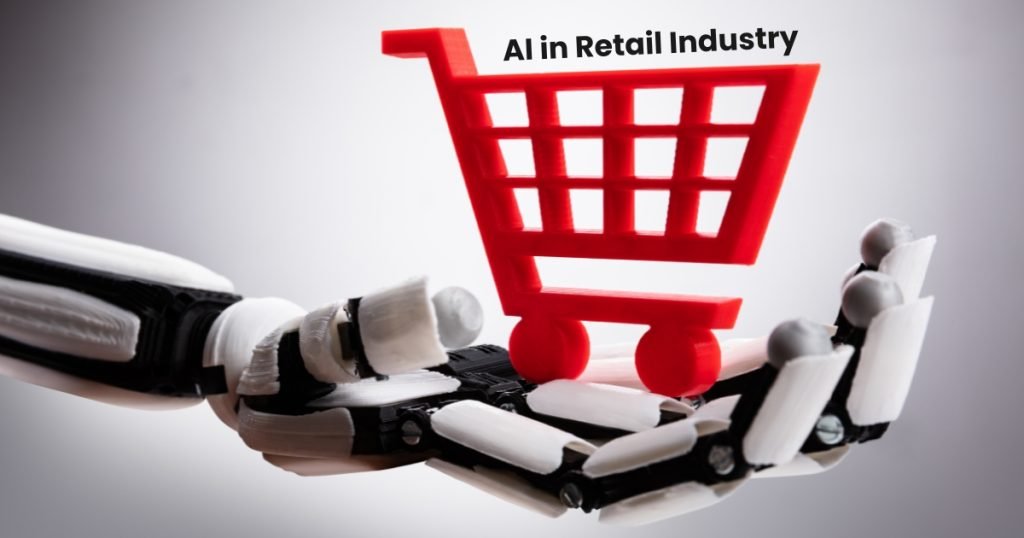
The most significant shift in 2026 is the emergence of AI Shopping Agents integrated directly into social platforms like Meta AI and TikTok Shop.
The Influence: Users no longer have to manually compare prices or read through hundreds of reviews. They brief their personal AI agent (e.g., "Find me a sustainable office chair under ₹15,000 with good lumbar support mentioned in recent Reddit threads").
The 2026 Reality: Brands are now optimizing their social content not just for humans, but to be "Agent-Friendly." If your product's technical specs and real-user testimonials are clearly structured, these autonomous agents are more likely to recommend and even complete the purchase for the user.
2. Micro-Communities Over Mass Reach
In 2026, "Viral" is less important than "Vetted." Massive follower counts have lost their influence as consumers move toward private or niche communities on platforms like Discord, WhatsApp Channels, and specialized LinkedIn Groups.
The Influence: Buyers are seeking "Frictionless Trust." They look for recommendations within Micro-Communities where they feel a peer-to-peer connection.
The 2026 Reality: A recommendation from a "Community Champion" with 500 highly active members now carries more weight than a celebrity endorsement with 5 million followers. Trust is built through deep, conversational engagement rather than broad broadcasting.
3. Shoppable "Micro-Dramas" and Live Commerce
Short-form video has matured into high-production "Micro-Dramas"—serialized stories where the products are naturally integrated and instantly shoppable.
The Influence: In India, platforms like Meesho and YouTube Shopping have made live-stream commerce a multi-billion dollar engine. Users watch a 60-second "day-in-the-life" story and can click an on-screen tag to buy the exact outfit or gadget shown, without ever leaving the app.
The 2026 Reality: The "link in bio" is dead. If a user has to leave the social app to buy your product, you will lose up to 70% of your conversions to friction.
4. Zero-Click Discovery and Social SEO
Social media is the new primary search engine for Gen Z and Gen Alpha. They don't go to a search engine to find "best cafes in Nagpur"; they go to Instagram or TikTok.
The Influence: Users expect Zero-Click Answers. They want the summary, the price, and the location immediately in the caption or the video overlay.
The 2026 Reality: "Social SEO" is now mandatory. Captions must be rich with keywords, and videos must use clear voiceovers and text-on-screen, as social algorithms now "listen" and "read" your content to decide which high-intent buyers to show it to.
5. Authentic "Lo-Fi" vs. Over-Polished Ads
As AI-generated content floods the internet, there is a massive premium on Human Imperfection.
The Influence: Consumers in 2026 are highly skeptical of "perfect" ads.
They are influenced by Lo-Fi content—raw, mobile-shot footage that looks like it was made by a friend. The 2026 Reality: "Ugly" ads often outperform polished ones. Seeing a real person unboxing a product in natural lighting with an honest, unscripted voiceover is the most powerful "Social Proof" available today.
The 2026 "Social Conversion" Checklist
Seamlessness: Can a customer buy your product in two taps without leaving the social app?
Searchability: Are your captions optimized for the platform's internal search engine (keywords, not just hashtags)?
Authority: Is your brand active in the Micro-Communities and subreddits where your target audience is asking for advice?
Agent-Ready: Is your product information formatted so an AI Shopping Agent can easily find and verify your claims?
The 2026 Perspective: Social media influence is no longer about shouting at an audience; it’s about being invited into their private digital circles. Success belongs to the brands that provide the most utility with the least amount of friction.